🥖 Healthy Baking Basics 🍞
Healthier baking is not a checklist of forbidden ingredients. It works better as a way of thinking about balance. Once you understand what flour, fat, sugar, and time actually do, recipes stop feeling fragile and start becoming flexible.
Using Whole Grains
Whole grains retain important germ and fibre elements after the removal of bran during refining. While the resulting flour has a pronounced fuller flavour, the nutritional gaps are filled by adding even more minerals and fibre that white flour doesn't otherwise offer. When working with whole wheat and other flours containing little refined stuff, the products take longer to digest and usually have that correspondingly delightful filling characteristic.
Refined white wheat flours and whole grains behave a bit differently from one another. For one, while flours processed from whole grains do require a longer average rest period to absorb water properly. But with a little practice, the bread behaves entirely differently, has a distinctively solid texture and greater depth, with rich flavors in addition, when considering some of the unleavened goodies.
Reducing Refined Sugar

Sugar lends sweetness, moisture, browning, and structure, but many recipes use too much of it. Eliminating refined sugar altogether is not the goal. Many recipes can work just as well with just a third of the sugar without compromising the final product.
A lesser degree of sweetness in the baked goods may sometimes serve to showcase other flavours, such as grains, dairy, fruit, and spices. Eventually, what was comforting to eat actually will start to feel just a bit much on the sugar side.
Balancing Fats
Fat affects tenderness, flavour, and mouthfeel. A healthier approach looks at both the type and amount of fat used. Rather than relying on a single source, combining fats can improve texture while reducing excess saturation.
Simple changes, such as blending butter with oils or yoghurt, can keep baked goods rich without feeling heavy. Balance matters more than strict substitution.
Understanding Ingredient Interaction
Very few ingredients act alone. Flour, fat, sugar, liquid have their individual singular functions but interact in called actions, mixing, and finally also dynamical action of baking, affect each other. Consequently, often it is required to make an adjustment to the amount of one ingredient as another ingredient has been varied. Understanding the dynamics in these associations is a coping skill that enables bakers to manipulate the ingredients and the recipes accordingly, detect possible mistakes that may occur in the elaboration phase and replace them before absence of the certain main ingredient or in some instances defined ratios is even born.
Bread Recipes
Bread is central to home baking and a natural place to apply healthier methods. With few ingredients and slower processes, breadmaking encourages attention to technique and timing rather than shortcuts.
Everyday Wholemeal Loaves
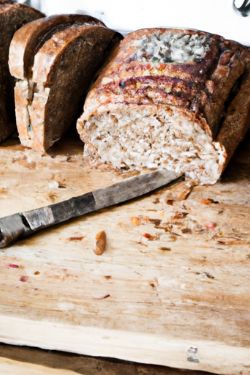
Everyday wholemeal loaves are designed to be practical, soft, and versatile. They provide more fibre and flavour than white bread while remaining suitable for sandwiches and toast. Achieving a light texture depends on proper hydration and sufficient resting time. Slightly wetter doughs allow wholemeal flour to fully absorb moisture, while steady fermentation helps prevent dense crumbs and improves freshness over several days.
Slow-Fermented Breads
Slow-fermented breads rely on time rather than large amounts of yeast. Longer fermentation allows yeast and bacteria to break down complex carbohydrates, developing deeper flavour and a more open crumb. Many people also find these breads easier to digest. Cool, extended rises encourage natural structure and balance, reducing the need for additives and creating loaves with better keeping qualities and a more developed taste.
Seeded and Mixed-Grain Breads
Seeded and mixed-grain bread provide a nice variety in the character, texture, and nutritional attributes for the daily bakers. The balance is the ultimate element and makes a great recipe work; making the dough beautiful and strong; spreading in this way prevents dryness; these breads, therefore, are easily considered as finest regular-use breads in market circulation, being quite light and easy to cut.
Pastry and Sweet Bakes
Sweet baking often carries the assumption that indulgence requires excess. Healthier approaches show that pastries and desserts can remain enjoyable while using less sugar and more thoughtful portions.
Lower-Sugar Cakes

The taste of a cake can depend up more than usual on eggs, dairy, fruit, and spices toughened ever by exceptional sweetness, with a complete round taste.
Lower-sugar cakes can be very good at staying moist and never having the overwhelming, sweet taste. Rather, they are strong as a healthier treat for other than special indulgent occasions.
Healthier Pastries
Pastry can feel rich without being heavy. Adjusting fat ratios and flour choices allows for lighter textures while preserving structure and flake.
Handling, temperature, and resting play a bigger role than dramatic ingredient changes. Understanding these factors makes pastry more predictable and flexible.
Portion-Friendly Treats
Miniature baked goods make it easier to eat mindfully. And it does not only support mild eating, but also allows for enjoying these small sweet bites frequently in a regulated manner without the intention of overdosing oneself. Another positive consequence of offering indulgence while properly selecting is portion-friendly baking making waste less and promoting variety with baking; therefore, any gastronome becomes a happier baker rather than belabored.
Baking Methods
As important as the ingredients are, they go in the technique. One has to hurry up when needed and, on the other hand, especially in a diet-laden baking, patience will bring more benefit than swiftness. One's choice of an aspect influences largely on the structure, feel, and health value of what is consumed.
🌡️ Temperature Control
Temperature affects rise, structure, and moisture retention. Reduced sugar and fat make precise heat especially important.
Learning how your oven behaves and responding to visual cues leads to more consistent results than strict timing. Small adjustments can significantly improve crust and crumb.
🍞 Fermentation Benefits
Fermentation develops flavour before baking begins. During rest, yeast activity breaks down starches and sugars, strengthening structure and complexity.
Longer fermentation can improve digestibility for many people. Understanding the role of time and temperature allows bakers to improve results without adding extra ingredients.
🐢 Slower Baking
Longer baking process is beneficial when dealing with whole grain dough on account of the more gentle heat – it ensures that the dough bakes till it is soft and cushiony, rather than shriveling up and becoming stiff.
Baking at low heat, for a longer duration is known to generate baked goods that do not lose their moisture content and can therefore be used for a a number of days.
Ingredient Swaps and Why
Understanding ingredient swaps gives bakers control. Instead of following trends blindly, this section explains what substitutions actually do inside a recipe and why they work.
White flour versus whole grain, sugar versus natural sweeteners, and butter versus mixed fats all affect moisture, browning, and texture. This site explains when swaps are straightforward and when they require adjustments to liquid, mixing, or baking time.
Why Healthy Home Bakery Matters
Healthy Home Bakery is about understanding how baking works, not about following strict food rules. By explaining how ingredients and techniques interact, it gives home bakers the confidence to make small, sensible adjustments. The result is baking that feels balanced, flavourful, and realistic enough to sustain as part of everyday life.